
Mental health has become an increasingly important part of healthcare. As awareness of mental health conditions continues to grow, so does the need for trained professionals who can support individuals facing emotional, behavioral, and psychological challenges. One of the most important yet often overlooked roles in this field is that of a mental health technician.
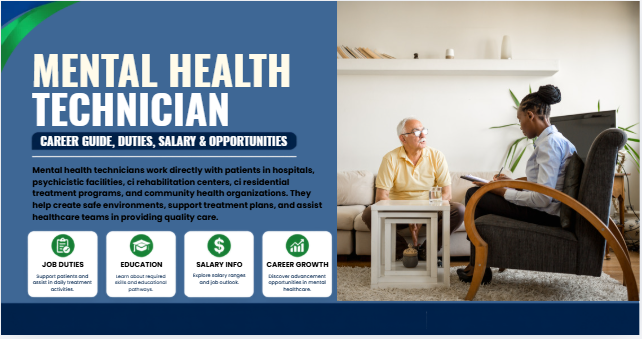
Mental health technician work directly with patients in hospitals, psychiatric facilities, rehabilitation centers, residential treatment programs, and community health organizations. They help create safe environments, support treatment plans, and assist healthcare teams in providing quality care.
If you’re interested in a healthcare career that combines compassion, communication, and hands-on patient support, becoming may be worth considering.
What Is a Mental Health Technician?
A mental health technician (MHT) is a healthcare professional who assists individuals experiencing mental health disorders, emotional difficulties, behavioral challenges, or psychiatric conditions.
This work under the supervision of psychiatrists, psychologists, nurses, social workers, and other behavioral health professionals.
Their primary goal is to support patient care while helping maintain a safe and therapeutic environment.
Mental health technicians often serve as a direct link between patients and the healthcare team because they spend significant time observing and interacting with patients throughout the day.
Also Read Mental Health Matters Hoodie
Key Duties of a Mental Health Technician
The responsibilities of a mental health technician can vary depending on the facility and patient population.
However, common duties include:
Monitoring Patients
One of the most important responsibilities is observing patient behavior.
Mental health technicians monitor patients for:
- Emotional changes
- Behavioral concerns
- Signs of distress
- Safety risks
- Treatment progress
Accurate observation helps healthcare providers make informed treatment decisions.
Assisting with Daily Activities
Many patients need support with everyday tasks.
Mental health technicians may assist with:
- Personal hygiene
- Meal routines
- Medication schedules
- Recreational activities
- Daily living skills
This assistance helps patients maintain structure and stability.
Supporting Therapeutic Programs
Mental health technicians often participate in treatment programs designed by licensed professionals.
Examples include:
- Group activities
- Wellness programs
- Educational sessions
- Social skills development
- Behavioral therapy support
These activities help patients build confidence and improve coping strategies.
Maintaining a Mental Health Technician Safe Environment
Safety is a critical component of mental health care.
Mental health technicians help prevent harmful situations by monitoring patient interactions and responding appropriately to emergencies.
Their presence contributes to a secure and supportive treatment setting.
Where Do Mental Health Technician Work?
Mental health technician can find employment in various healthcare settings.
Common workplaces include:
Psychiatric Hospitals
Much mental health technician work in inpatient psychiatric facilities where patients receive intensive treatment.
General Hospitals
Hospitals with behavioral health units frequently employ mental health technicians to assist psychiatric care teams.
Residential Treatment Centers
Residential programs often support individuals dealing with mental health disorders, substance use issues, or behavioral challenges.
Rehabilitation Facilities
Rehabilitation centers may employ mental health technicians to assist patients recovering from addiction or mental health crises.
Community Mental Health Technician Centers
These facilities provide outpatient services and community-based support programs.
The variety of work environments allows individuals to choose settings that align with their interests and career goals.
Essential Skills for Mental Health Technician
Success in this role requires a combination of technical knowledge and interpersonal abilities.
Communication Skills
Mental health technician regularly interact with patients, families, nurses, and therapists.
Clear communication helps build trust and ensures accurate reporting of patient concerns.
Empathy and Compassion
Patients often experience emotional distress, anxiety, depression, or other challenges.
Compassionate support can have a positive impact on recovery and treatment outcomes.
Patience
Progress in mental health treatment may take time.
Mental health technician must remain patient and supportive throughout the process.
Mental Health Technician to Observation Skills
The ability to recognize behavioral changes is essential.
Small observations can provide valuable information for treatment planning.
Crisis Management
Mental health professionals occasionally encounter emergency situations.
Mental health technician must remain calm and follow safety protocols during challenging circumstances.
Educational Requirements
One reason many people pursue a mental health technician career is that entry requirements can be relatively accessible.
High School Diploma or Equivalent
Many entry-level positions require a high school diploma or GED.
Postsecondary Education
Some employers prefer candidates with coursework or degrees in:
- Psychology
- Social work
- Human services
- Behavioral science
- Healthcare studies
Certification Programs
Professional certifications can improve employment opportunities and demonstrate commitment to the field.
Examples may include:
- Mental health technician certification
- Behavioral health certifications
- CPR and first aid training
Specific requirements vary by employer and state regulations.
Salary Expectations
Salary levels for mental health technician depend on factors such as location, experience, and employer.
- Location
- Experience
- Education
- Employer type
- Work setting
Entry-level mental health technician generally earn less than licensed healthcare professionals but can still enjoy stable employment opportunities.
Those working in hospitals or specialized psychiatric facilities may earn higher wages than those in entry-level community positions.
Additional certifications and experience often lead to salary growth and career advancement opportunities.
Career Advancement Opportunities
A mental health technician position can serve as an excellent starting point for a long-term healthcare career.
Many professionals use this role to gain experience before pursuing advanced education.
Potential career paths include:
Psychiatric Nurse
Many mental health technician later pursue nursing degrees and specialize in psychiatric care.
Social Worker
A background in mental health support provides valuable experience for future social workers.
Counselor or Therapist for Mental Health Technician
Some individuals continue their education and become licensed mental health counselors.
Case Manager
Case managers help coordinate treatment plans and community resources for patients.
Behavioral Mental Health Technician Specialist
Additional training can lead to specialized behavioral health roles.
The experience gained as a mental health technician provides a strong foundation for various healthcare careers.
Benefits of Becoming a Mental Health Technician
There are many reasons people choose this profession.
Meaningful Work
Mental health technician directly contribute to improving people’s lives.
Growing Job Demand
As mental health awareness increases, demand for behavioral health professionals continues to grow.
Valuable Experience
The role provides hands-on healthcare experience that can support future career goals.
Diverse Work Settings
Professionals can work in hospitals, treatment centers, community organizations, and rehabilitation facilities.
Career Growth Potential
The Mental Health Technician position cans open doors to advanced healthcare careers.
Challenges of the Mental Health Technician Job
Like any healthcare profession, the Mental Health Technician role comes with challenges.
Common difficulties include:
- Emotional stress
- Exposure to crisis situations
- Shift work
- Physically demanding tasks
- Complex patient needs
However, many professionals find the rewards of helping others outweigh these challenges.
Is a Mental Health Technician Career Right for You?
A mental health technician career may be a good fit if you:
- Enjoy helping others
- Have strong communication skills
- Remain calm under pressure
- Are interested in psychology and behavioral health
- Want healthcare experience without extensive schooling
The role offers a meaningful opportunity to support individuals during some of the most challenging periods of their lives.
Conclusion
A mental health technician plays a vital role in the behavioral healthcare system. By monitoring patients, supporting treatment plans, assisting with daily activities, and helping maintain safe environments, these professionals contribute significantly to patient recovery and well-being.
With growing demand for mental health services, stable employment opportunities, and multiple pathways for career advancement, becoming a mental health technician can be a rewarding choice for individuals interested in healthcare and human services. Whether you’re starting your career or exploring a new professional direction, this field offers both personal fulfillment and long-term growth potential.
Faqs
What does a mental health technician do?
A mental health technician assists patients with mental health conditions by monitoring behavior, supporting treatment programs, and helping maintain a safe environment.
Where do mental health technicians work?
They commonly work in psychiatric hospitals, general hospitals, rehabilitation centers, residential treatment facilities, and community mental health technician organizations.
What qualifications are needed to become a mental health technician?
Requirements vary, but many positions require a high school diploma, while some employers prefer additional education or certification in behavioral health-related fields.
Is mental health technician a good career?
Yes. The career offers meaningful work, growing job demand, valuable healthcare experience, and opportunities for advancement.
What skills are important for mental health technicians?
Key skills include communication, empathy, observation, patience, crisis management, and teamwork.
Can a mental health technician advance to other healthcare careers?
Absolutely. Many professionals use the experience gained in this role to pursue careers in nursing, counseling, social work, psychology, and behavioral mental health technician management.