
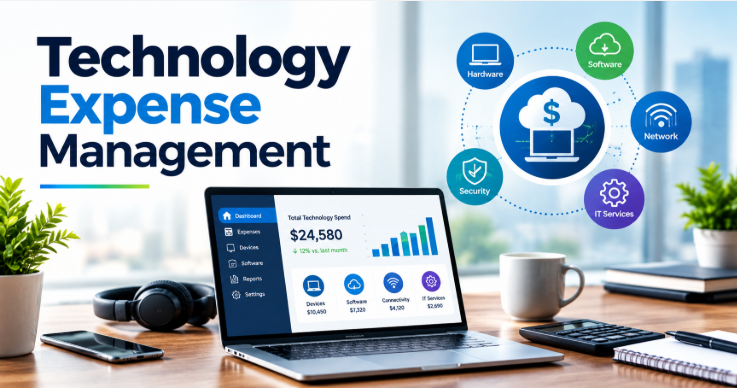
Technology Expense Management plays a critical role in modern business operations. Companies rely on software, hardware, cloud services, internet connectivity, mobile devices, and cyber security tools to stay productive and competitive. However, as organizations adopt more technology solutions, managing technology-related expenses becomes increasingly challenging.
This is where Technology Expense Management (TEM) becomes important. TEM helps businesses track, control, and optimize spending on technology resources. From reducing unnecessary software subscriptions to managing telecommunications costs, a well-planned strategy for managing technology expenses can save organizations significant amounts of money.
What Is Technology Expense Management?
Technology expense management is the process of monitoring, analyzing, and optimizing technology-related expenses within an organization.
These expenses may include:
- Software subscriptions
- Cloud services
- Internet and telecom services
- Mobile phone plans
- Hardware purchases
- IT support contracts
- Data center costs
- Cyber security solutions
The primary goal is to ensure businesses receive maximum value from their Technology Expense Management investments while eliminating waste and unnecessary spending.
For example, a company may discover it is paying for software licenses that employees no longer use. By identifying and removing these unused licenses, the organization can reduce costs without affecting productivity.
Also Read
Why Technology Expense Management Matters
Technology Expense Management spending continues to grow across industries.
Many businesses subscribe to dozens of software platforms, cloud services, and communication tools. Without proper oversight, costs can quickly become difficult to control.
Technology expense management helps organizations:
- Reduce unnecessary spending
- Improve budget planning
- Increase visibility into expenses
- Optimize vendor relationships
- Improve operational efficiency
- Support strategic decision-making
A structured approach allows businesses to understand exactly where their technology budget is going.
Key Components of Technology Expense Management
Technology expense management covers several important areas.
Telecom Expense Management
Telecommunications services often represent a major portion of technology spending.
The Technology Expense Management spending includes Mobile phone plans
- Internet services
- Voice communication systems
- Business phone lines
Organizations regularly review telecom contracts to ensure they are receiving competitive pricing and appropriate service levels.
Software Expense Management
Software subscriptions have become a major business expense.
Companies often use Technology Expense Management:
- Productivity software
- Customer relationship management systems
- Project management platforms
- Accounting tools
- Collaboration software
Monitoring software usage helps prevent organizations from paying for unused or duplicate subscriptions.
Cloud Expense Management
Cloud computing offers flexibility and scalability, but costs can increase rapidly without proper oversight.
Businesses often use cloud services for:
- Data storage
- Application hosting
- Backup solutions
- Virtual servers
Technology expense management helps organizations optimize cloud resources and avoid unnecessary charges.
Hardware Asset Management
Computers, servers, networking equipment, and mobile devices all represent technology investments.
Tracking hardware assets ensures equipment is used efficiently and replaced when necessary.
Benefits of Technology Expense Management
Cost Savings
One of the biggest advantages of technology expense management is reducing unnecessary expenses.
Businesses often discover:
- Unused software licenses
- Duplicate services
- Outdated contracts
- Underutilized resources
Eliminating these inefficiencies can generate substantial savings.
Improved Visibility
Many organizations struggle to understand their complete technology spending picture.
Technology Expense Management TEM provides centralized reporting and detailed insights into where money TEM centralizes reporting and offers detailed insights into technology spending.
Better Vendor Management
Technology vendors frequently offer multiple pricing plans and service packages.
By reviewing contracts regularly, organizations can negotiate better terms and avoid overpaying for services.
Increased Efficiency
Technology expense management reduces administrative complexity.
Instead of manually tracking multiple invoices and subscriptions, businesses can streamline expense monitoring through centralized processes.
Enhanced Budget Planning
Accurate spending data allows organizations to forecast future technology costs more effectively.
This helps finance teams create realistic budgets and avoid unexpected expenses.
Common Technology Expenses Businesses Face
Technology Expense Management spending varies depending on company size and industry.
Common expense categories include:
Software as a Service (Saabs)
Examples include:
- Microsoft 365
- Google Workspace
- Sales force
- Zoom
- Slack
Subscription-based software has become a standard operating expense for many businesses.
Cloud Infrastructure
Cloud providers offer services such as
- Virtual servers
- Storage solutions
- Database hosting
- Application deployment
While cloud services eliminate many hardware costs, they require careful monitoring.
Cyber security Solutions
Organizations invest heavily in Technology Expense Management:
- Antivirus software
- Firewalls
- Endpoint protection
- Security monitoring
Cyber security spending continues to grow as cyber threats become more sophisticated.
Networking and Connectivity
Reliable internet and network infrastructure remain essential business expenses.
This category includes:
- Internet services
- Network hardware
- Wireless systems
- VPN services
Challenges in Technology Expense Management
Despite its benefits, technology expense management can be complex.
Rapid Technology Growth
New software tools and services emerge constantly.
Keeping track of every subscription and vendor relationship can become difficult.
Decentralized Purchasing
Employees and departments sometimes purchase technology solutions independently.
This can create duplicate services and fragmented spending.
Complex Billing Structures
Many technology vendors use complicated pricing models.
Cloud services, in particular, often involve usage-based billing those changes monthly.
Lack of Visibility
Without centralized Technology Expense Management, organizations may struggle to identify all technology-related expenses.
This can result in overspending and budget inefficiencies.
Best Practices for Effective Technology Expense Management
Conduct Regular Audits
Review Technology Expense Management at least quarterly.
Look for:
- Unused software licenses
- Duplicate subscriptions
- Outdated services
- Contract renewal opportunities
Centralize Technology Purchasing
A centralized purchasing process helps maintain consistency and control.
It also improves visibility across the organization.
Monitor Software Usage
Understanding how employees use software helps determine whether subscriptions are delivering value.
Unused licenses should be reassigned or canceled.
Negotiate Vendor Contracts
Don’t assume vendor pricing is fixed.
Many providers offer discounts for long-term agreements, larger deployments, or bundled services.
Use Technology Expense Management Tools
Specialized Technology Expense Management TEM platforms help automate expense tracking and reporting.
These solutions provide valuable insights into spending patterns and cost-saving opportunities.
How Technology Expense Management Supports Business Growth
Effective Technology Expense Management isn’t only about reducing costs.
It also supports growth by ensuring technology investments align with business goals.
When organizations understand their spending patterns, they can:
- Invest in strategic technologies
- Improve productivity
- Enhance customer experiences
- Support innovation
Rather than wasting resources on unnecessary services, businesses can allocate budgets more effectively.
The Future of Technology Expense Management
As Technology Expense Management become more complex, technology expense management will become even more important.
Several trends are shaping the future:
Artificial Intelligence
AI-powered tools can automatically identify cost-saving opportunities and spending anomalies.
Increased Cloud Adoption
Cloud services continue to expand, making cloud cost management a critical focus area.
Automation
Automated expense tracking reduces manual work and improves accuracy.
Data-Driven Decision Making
Organizations increasingly rely on analytics to guide technology investment decisions.
The Technology Expense Management advancements will help businesses gain greater control over technology spending.
Conclusion
Technology expense management is an essential practice for organizations seeking to control costs, improve efficiency, and maximize the value of their technology investments. By monitoring software subscriptions, telecom services, cloud infrastructure, hardware assets, and vendor contracts, businesses can identify waste and make smarter financial decisions.
As technology spending continues to grow, companies that implement effective technology expense management strategies will be better positioned to optimize budgets, improve operational performance, and support long-term growth.
Whether you’re managing a Technology Expense Management small business or a large enterprise, taking a proactive approach to technology expenses can deliver significant financial and operational benefits.
Faqs
What is Technology Expense Management?
Technology Expense Management (TEM) is the process of tracking, analyzing, and optimizing technology-related expenses such as software, telecom services, cloud resources, and hardware.
Why is technology expense management important?
It helps organizations reduce unnecessary spending, improve visibility into technology costs, and make more informed financial decisions.
What expenses are included in TEM?
Technology Expense Management TEM typically covers software subscriptions, cloud services, telecommunications, mobile devices, internet services, hardware, and IT support contracts.
Can small businesses benefit from technology expense management?
Yes. Even small businesses can reduce costs by identifying unused subscriptions, optimizing vendor contracts, and monitoring technology spending.
What tools are used for technology expense management?
Many organizations use dedicated Technology Expense Management TEM software platforms that automate expense tracking, reporting, contract management, and cost optimization.
How often should technology expenses be reviewed?
Most experts recommend reviewing technology expenses quarterly, although larger organizations may monitor spending continuously.
1 thought on “What Is Technology Expense Management? A Simple Guide to Controlling IT Costs”