
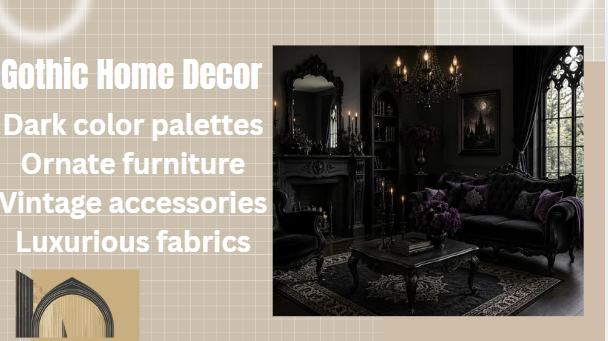
Gothic home decor is a unique interior design style that combines mystery, elegance, and dramatic beauty. Inspired by medieval architecture, Victorian influences, and dark romantic aesthetics, gothic home decor has gained popularity among homeowners who want to create a bold and unforgettable living environment.
Contrary to common misconceptions, gothic decor is not simply about dark colors. It is a sophisticated design approach that blends rich textures, ornate details, vintage elements, and luxurious furnishings to create spaces that feel both dramatic and welcoming. Whether you’re decorating an entire home or adding a few gothic-inspired touches, this style offers endless opportunities for creativity and personal expression.
What Is Gothic Home Decor?
Gothic home decor is an interior design style influenced by Gothic architecture and historical European design traditions. It emphasizes dramatic visual appeal, intricate details, and a rich, moody atmosphere.
Common characteristics include:
- Dark color palettes
- Ornate furniture
- Vintage accessories
- Luxurious fabrics
- Decorative lighting
- Architectural details
The style creates an elegant and mysterious ambiance while maintaining comfort and functionality.
Also read Home Decor in Perth
The Origins of Gothic Home Design
Gothic home design originated during the Middle Ages and became known for its impressive cathedrals, pointed arches, stained glass windows, and intricate stonework.
Over time, these architectural influences extended into interior design through:
- Decorative carvings
- Antique furniture
- Rich fabrics
- Dramatic artwork
Modern gothic home decor combines these historical influences with contemporary living needs.
Key Elements of Gothic Home Decor
Dark Color Schemes
Color plays a major role in gothic home decor interiors.
Popular shades include:
- Black
- Deep purple
- Burgundy
- Charcoal gray
- Dark green
- Navy blue
These colors create a dramatic backdrop while enhancing the room’s overall atmosphere.
Ornate Furniture
Gothic home decor furniture often features intricate details and bold designs.
Common characteristics include:
- Carved wood
- High-backed chairs
- Decorative tables
- Vintage-inspired cabinets
Dark wood finishes are particularly popular in gothic interiors.
Luxurious Fabrics
Texture adds depth and richness to gothic home decor spaces.
Popular materials include:
- Velvet
- Silk
- Satin
- Brocade
- Lace
These fabrics contribute to the elegant and romantic feel of the design.
Statement Lighting
Lighting is essential for creating the perfect gothic atmosphere.
Popular options include:
- Chandeliers
- Candelabras
- Vintage lamps
- Wall sconces
Warm lighting helps balance darker color palettes and adds visual interest.
Gothic Living Room Ideas
The living room is often the centerpiece of Gothic home decor.
To create a gothic-inspired living room, consider:
- Dark-colored sofas
- Velvet cushions
- Antique coffee tables
- Decorative mirrors
- Gothic artwork
Layering textures and accessories helps create a rich and inviting space.
Use Decorative Accents
Popular decorative accents include:
- Candlesticks
- Raven figurines
- Vintage clocks
- Ornate picture frames
These details enhance the gothic aesthetic without overwhelming the room.
Gothic Home Decor Bedroom Design
A gothic home decor bedroom should feel elegant, relaxing, and slightly dramatic.
Key elements may include:
- Canopy beds
- Dark bedding
- Velvet curtains
- Decorative headboards
- Soft lighting
Deep colors and luxurious textures help create a cozy retreat.
Add Romantic Details
Romantic gothic design often incorporates the following:
- Floral patterns
- Vintage mirrors
- Antique furniture
- Soft candlelight
These elements add warmth and sophistication.
Gothic Home Decor with Dining Room Inspiration
Dining rooms offer excellent opportunities for dramatic design.
Popular gothic home decor with dining features includes the following:
- Dark wood tables
- Upholstered chairs
- Decorative chandeliers
- Elegant table settings
Wall Decor in Gothic Interiors
Walls play an important role in Gothic home decor design.
Popular wall decor options include:
- Large mirrors
- Vintage paintings
- Decorative wallpaper
- Architectural moldings
Dark walls can create depth, while artwork adds personality and visual interest.
Incorporating Modern Gothic Home Decor
Modern gothic home decor interiors blend traditional gothic elements with contemporary design.
This approach may include:
- Minimalist furniture
- Modern lighting
- Clean layouts
- Subtle gothic accents
The result is a stylish and sophisticated living space that feels both current and timeless.
Gothic Home Decor on a Budget
Creating a gothic-inspired home doesn’t have to be expensive.
Affordable ideas include:
- Painting walls darker colors
- Using decorative candles
- Shopping at thrift stores
- Repurposing vintage furniture
- Adding gothic-themed artwork
Small changes can significantly impact the gothic home decor overall aesthetic.
Benefits of Gothic Home Decor
Unique Personal Expression
Gothic home decor allows homeowners to create spaces that stand out from traditional interiors.
Timeless Appeal
Many gothic design elements have remained popular for centuries.
Rich Visual Character
The combination of textures, colors, and details creates visually stunning rooms.
Comfortable Atmosphere
Despite its dramatic appearance, gothic decor can feel warm, cozy, and welcoming.
Common Mistakes to Avoid
Overusing Dark Colors
Too much darkness can make a room feel small or overwhelming.
Balance darker shades with lighter accents and proper lighting.
Ignoring Functionality
Beautiful decor should still support daily living needs.
Cluttering the Space
Too many decorative items can reduce the gothic home decor elegance of the design.
Choose statement pieces carefully.
Future Trends in Gothic Home Decor
Gothic home decor continues evolving alongside modern design trends.
Emerging influences include:
- Sustainable materials
- Smart lighting systems
- Contemporary gothic furniture
- Minimalist gothic aesthetics
These innovations help keep gothic interiors relevant and practical.
Why Gothic Home Decor Remains Popular
Many homeowners are drawn to gothic home decor because it offers a unique alternative to mainstream design styles.
The combination of elegance, mystery, and individuality creates spaces that feel personal and memorable. Gothic interiors encourage creativity while celebrating timeless beauty.
Conclusion
Gothic home decor is more than a design trend—it’s a style that combines history, elegance, and artistic expression. Through dark color palettes, luxurious textures, ornate furnishings, and dramatic lighting, homeowners can create interiors that are both visually stunning and comfortable.
Whether you’re fully embracing gothic home decor design or incorporating a few gothic-inspired accents, this timeless style offers endless opportunities to transform your home into a sophisticated and captivating space.
FAQs
What is gothic home decor?
Gothic home decor is an interior design style inspired by medieval and Victorian influences, featuring dark colors, ornate furniture, and dramatic details.
Do gothic interiors have to be completely black?
No. While black is common, gothic home decor also uses deep reds, purples, greens, grays, and other rich colors.
Is gothic home decor expensive?
Not necessarily. Many gothic design elements can be achieved through affordable furniture, accessories, and DIY projects.
What furniture works best in gothic decor?
Dark wood furniture with decorative carvings and vintage-inspired designs works particularly well.
Can gothic decor be combined with modern design?
Yes. Modern gothic interiors blend traditional gothic elements with contemporary layouts and furnishings.
What lighting is best for gothic home decor?
Chandeliers, wall sconces, candles, and warm ambient lighting are popular choices.
Is gothic decor suitable for small spaces?
Yes. Careful use of color, lighting, and furniture can make gothic home decor work beautifully in smaller rooms.
Why is gothic home decor becoming popular again?
Many people appreciate its unique style, timeless elegance, and ability to create highly personalized living spaces.